Retro Ghost Duo Font: A Practical Guide to This Groovy Halloween Typeface
When it comes to design, choosing the right typeface is a critical decision that sets the tone for your entire project. For designs that require a blend of nostalgia, playfulness, and a distinct seasonal flair, the options can feel limited. This is where specialized typefaces like the Retro Ghost Duo Font come into play, offering a curated aesthetic that combines two complementary styles in one package.
Understanding the Core Concept: A Font Duo Explained
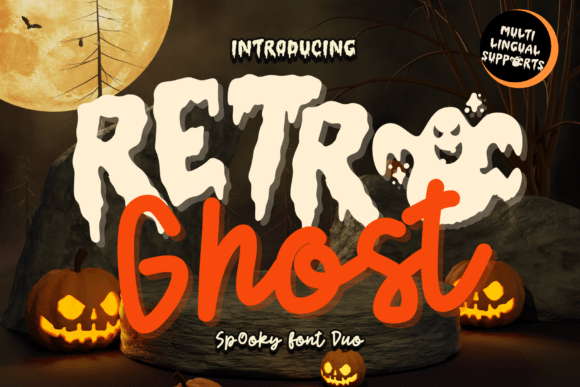
Unlike a single font family, a font duo is a pair of typefaces designed to work together harmoniously. The Retro Ghost Duo Font pairs a bold, structured display typeface with a flowing, organic handwritten script. This combination is intentional. The display font provides strong headlines and legible body text with a retro flair, while the handwritten element adds a personal, authentic, and slightly whimsical touch. This pairing eliminates the guesswork and potential clash that can occur when designers try to mix and match separate fonts from different sources.
The "Retro" aspect points to its stylistic roots, drawing inspiration from mid-20th-century design and the counterculture aesthetics of the 1960s and 70s. Think of vintage concert posters, psychedelic art, and classic Halloween decorations. The "Ghost" element introduces a subtle, playful spookiness, making it particularly suited for autumnal and Halloween-themed projects, though its versatility extends well beyond October.
Evaluating Its Distinct Style and Personality
The primary distinction of the Retro Ghost Duo Font lies in its "cool and groovy" aesthetic. This is not a minimalist or corporate typeface. Its character is defined by:
- Playfulness: The letterforms often feature subtle curves, uneven baselines, or decorative swashes that evoke a sense of fun and creativity.
- Authenticity: The handwritten component feels genuine and personal, moving away from overly polished digital scripts.
- Nostalgia: The retro styling taps into a fondness for vintage design, which can resonate strongly with audiences aged 20-50 who appreciate this aesthetic.
This makes it a strong candidate for projects where you want to convey a specific mood or era. It’s less about neutral communication and more about creating an atmosphere. Compared to a standard sans-serif or serif font, it carries far more inherent personality, which is both its greatest strength and a potential limitation.
Practical Applications and Best-Fit Scenarios
Knowing where a typeface shines is key to using it effectively. The Retro Ghost Duo Font is well-suited for a range of creative applications, particularly where visual impact and thematic consistency are priorities.
Ideal Use Cases:
- Event Branding & Invitations: Halloween parties, themed weddings, retro-themed birthday parties, or music festival branding. The duo provides all the necessary typographic hierarchy.
- Marketing and Advertising: Social media graphics, posters, and flyers for seasonal sales, particularly those targeting a vintage or quirky audience. It can make an ad stand out in a crowded feed.
- Product Packaging & Labels: For artisanal goods, craft beverages, or specialty items where a handmade, vintage feel aligns with the brand story.
- Editorial and Personal Projects: Blog headers, scrapbooking, photo album titles, and decorative planners. It adds a decorative touch to personal creative work.
Comparative Considerations:
When evaluating the Retro Ghost Duo Font against other options, consider the context. If you need a typeface for long-form body copy in a technical document, this is not the right choice—legibility over long paragraphs can be challenging with highly decorative display fonts. In that scenario, a clean sans-serif or a classic serif would be superior.
Similarly, if your brand identity is built on modernity, minimalism, or serious professionalism, the groovy aesthetic might clash with your core message. Here, a geometric sans-serif or a sophisticated serif would be a more appropriate tool. The decision hinges on whether the font's personality aligns with the project's goals.
Navigating Alternatives and the Broader Category
The design world is rich with alternatives. You might explore other retro-styled fonts, which can range from Art Deco elegance to 1980s neon. Some designers prefer to build their own font pairs from scratch, selecting a display font and a script from different foundries. This approach offers more control but requires a good eye for typographic harmony and more time investment.
Another alternative is to use a single, versatile font family with multiple weights. A large family like a grotesque sans-serif can provide hierarchy through weight (light, regular, bold) without introducing a second stylistic voice. This is often a safer, more flexible choice for corporate or multi-use applications.
The Retro Ghost Duo Font occupies a specific niche. It is not trying to be a workhorse for all design needs. Instead, it is a specialized tool for creating a particular vibe efficiently. Its value proposition is in the pre-matched pairing and the strong, cohesive aesthetic it delivers out of the box.
Making Your Decision: Key Factors to Weigh
To determine if the Retro Ghost Duo Font is the right resource for your project, ask yourself these practical questions:
- What is the primary mood I need to convey? If the answer involves nostalgia, fun, whimsy, or retro charm, this font is a strong contender. If it's authority, neutrality, or cutting-edge modernity, look elsewhere.
- Who is my audience? The aesthetic will likely appeal most to those with an appreciation for vintage design or pop culture. It may not resonate as strongly with audiences expecting traditional or highly formal communication.
- What are the application requirements? For large headlines, logos, and short bursts of text, its decorative nature is an asset. For small text, technical manuals, or web body copy, clarity should take precedence over style.
- Do I need a complete solution or a single element? If you need a ready-made, harmonious pair for a themed project, a duo font saves time. If you only need one style, you might find more flexibility in a standalone font.
Ultimately, the Retro Ghost Duo Font is a compelling option within its category. It offers a distinct, well-executed style that can elevate specific types of projects. By carefully considering your project's requirements, audience, and desired emotional impact, you can make an informed choice about whether this groovy, retro-inspired typeface is the missing piece in your design toolkit. It stands as a practical example of how specialized resources can solve specific creative challenges effectively.