Longine Font: A Guide to Ravishing Decorative Typography
Finding the right typeface is about more than just legibility; it is about capturing a specific mood and evoking an emotion. In the world of digital design, few styles manage to balance delicacy with visual impact quite like Longine Font. Described as frail, smooth, and ravishing, this decorative typeface offers a unique aesthetic that stands out in a sea of standard sans-serifs and blocky serifs. Whether you are designing a digital asset or planning a physical print project, understanding how to utilize this specific style can elevate your work from ordinary to breathtaking.
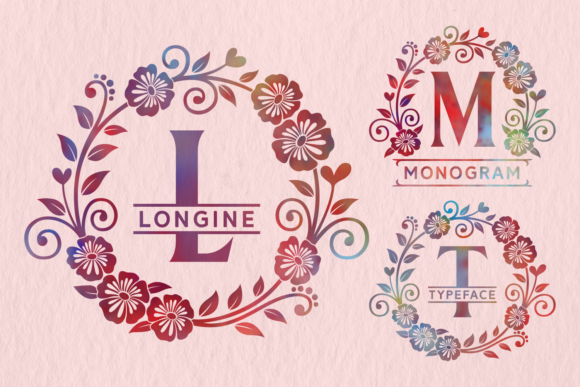
Longine Font is characterized by its flowing lines and delicate weight. It is not a workhorse font meant for body text or technical manuals. Instead, it is a display typeface designed to draw the eye and set a romantic, elegant, or whimsical atmosphere. The "frail" quality of the font implies thin strokes and an airy structure, which gives it a sense of lightness and sophistication. For anyone looking to add a touch of refinement to their creative projects, Longine offers a solution that feels both modern and timeless.
Understanding the Aesthetic Appeal of Longine
To truly appreciate Longine Font, one must look beyond the technical specifications and consider the visual psychology behind it. Smooth, flowing typography often communicates care, attention to detail, and luxury. When a viewer sees a design using Longine, they subconsciously associate the soft curves and delicate strokes with high-quality craftsmanship. This makes it an ideal choice for projects where the visual presentation is just as important as the message itself.
The versatility of a decorative font like Longine lies in its ability to act as a visual anchor. It creates a focal point that guides the viewer's eye. Because it is a decorative style, it demands space and breathing room. Crowding Longine with other design elements or using it for long paragraphs would diminish its impact. Instead, it shines brightest when used for headers, titles, or short bursts of text where its ravishing style can be fully appreciated without causing eye strain.
Why Different Audiences Are Drawn to This Style
The utility of Longine Font varies significantly depending on who is using it. While a graphic designer might see a tool for visual hierarchy, a bride-to-be might see the perfect way to express the theme of her wedding. Here is how different groups typically approach and utilize this typeface.
For Beginners and Hobbyists
If you are new to design, the appeal of Longine is often immediate. Beginners and hobbyists usually prioritize ease of use and aesthetic appeal. You do not need to understand complex kerning or typographic scales to make Longine look good. It works beautifully as a standalone element. A hobbyist creating a scrapbook page or a personal blog header can simply type out their text, and the font does the heavy lifting of making the design look professional. For this group, the learning curve is low, but the creative payoff is high.
For Event Planners and Consumers
For those planning events—specifically weddings—the requirements are different. Here, the priorities are presentation and theme consistency. Longine Font is exceptionally suited for wedding invitations, save-the-date cards, and menu layouts. Its frail and smooth nature mimics the elegance of calligraphy but offers the consistency of a digital typeface. Consumers in this category are looking for a font that conveys romance and sophistication. They care less about the technical file format and more about how the font looks when printed on textured cardstock or engraved on an acrylic sign.
For Social Media Managers and Marketers
In the fast-paced world of digital marketing, capturing attention is the primary goal. Social media managers and marketers use fonts like Longine to create eye-catching visuals that stop the scroll. On platforms like Instagram or Pinterest, where visual competition is fierce, a delicate and ravishing font can differentiate a brand that sells luxury goods, beauty products, or lifestyle advice. For this audience, the font is a strategic asset used to build brand identity and evoke specific emotional responses from the target audience.
For Professional Designers and Freelancers
Experienced designers evaluate Longine Font based on quality, flexibility, and commercial value. A professional needs to know that the font file is clean, that it renders well at various sizes, and that the licensing allows for commercial use. They might use Longine for a high-end client project, such as a boutique hotel logo or a luxury product packaging design. However, they also consider the limitations of a "frail" font. They must ensure that the thin strokes do not disappear against complex backgrounds, requiring careful color contrast and placement.
For Educators and Publishers
While Longine is not suited for textbooks, educators and publishers of niche content—such as poetry collections, artistic magazines, or creative writing blogs—find value in its learning value and presentation. Using a decorative font like Longine can help teach students about the different categories of typography and how font choice influences tone. It serves as a great example of how style dictates function, helping learners understand why you wouldn't use a fragile font for a safety warning, but you might use it for a poem.
Practical Applications and Use Cases
The true test of any typeface is how it performs in real-world scenarios. Longine Font excels in specific environments where its unique characteristics can shine. Below are practical examples of how to integrate this font into your workflow.
Stationary and Print Art
There is a tactile quality to physical art that digital screens cannot replicate. Longine is perfect for beautiful stationary art. Imagine a series of art prints featuring inspirational quotes. The smooth, flowing nature of the font adds a layer of softness to the message. It is also ideal for personalizing stationery sets, monogram designs, and greeting cards. The key here is to pair it with high-quality paper stock to match the premium feel of the typeface.
Digital Invitations and E-Cards
With the rise of digital communication, physical mail is no longer the only option for formal invitations. Longine creates gorgeous wedding invitations in digital formats (PDFs or e-vites). It allows for easy customization of color palettes without the cost of custom calligraphy. For businesses, this font can be used for digital event invitations, such as a gallery opening or a VIP sale, setting an exclusive tone before the recipient even reads the details.
Branding for Niche Markets
Small business owners often struggle to find branding that feels unique. Longine offers a solution for businesses in the beauty, fashion, or wellness industries. Using this font for a logo or header can immediately communicate a brand's values of care, delicacy, and elegance. It helps small businesses compete with larger brands by projecting a polished, boutique image that resonates with discerning consumers.
Evaluating Longine for Your Project
Before downloading and installing Longine, it is helpful to evaluate whether it aligns with your specific goals. Not every project requires a decorative font, and using one inappropriately can harm readability. Ask yourself the following questions to determine if Longine is the right fit.
- What is the medium? Longine works best in high-resolution environments. If you are designing for small mobile screens or low-resolution prints, ensure the font size is large enough to remain legible.
- Who is the audience? If your audience expects technical data, legal text, or academic rigor, Longine is likely the wrong choice. However, if your audience values aesthetics, emotion, and luxury, it is an excellent option.
- What is the context? Consider the surrounding design elements. Longine pairs well with clean, simple sans-serif fonts for contrast. If you pair it with another complex script, the design may become cluttered and unreadable.
Ultimately, the decision to use Longine Font comes down to the story you want to tell. It is a tool for expression, allowing creators to infuse their work with a sense of grace and beauty. Whether you are a hobbyist making a card for a friend or a professional designing a logo for a luxury brand, Longine provides the visual vocabulary to make your work look stunning.
Maximizing the Impact of Decorative Typography
Using a font like Longine effectively requires a bit of restraint. Because the style is so distinct, it carries a strong visual weight. Overusing it can lead to a design that feels monotonous or overly ornate. The most effective designs often use Longine for the main headline—the "hero" text—and switch to a more neutral font for any supporting information.
Color choice also plays a significant role in how Longine is perceived. Dark, high-contrast colors like charcoal or deep navy can give the font a modern, edgy feel. Softer pastels or metallics (like gold or rose gold) emphasize its romantic and frail nature. Experimenting with different color combinations allows you to tailor the font to various seasons and themes, from spring weddings to winter holiday promotions.
In conclusion, Longine Font is more than just a set of characters; it is a design element capable of transforming the feel of a project. Its ravishing style offers a bridge between the digital and the traditional, providing a touch of human elegance in a pixel-perfect world. By understanding its strengths and applying it to the right contexts, creators of all levels can produce work that is not only functional but genuinely beautiful.