Integrating Sleepyninjaregular Font: A Practical Guide for Dynamic Visual Projects
In the crowded landscape of digital design, typography is often the silent workhorse that dictates the success or failure of a project's visual hierarchy. While serif fonts speak to tradition and sans-serifs offer neutrality, display typefaces are responsible for immediate emotional impact. Among these, Sleepyninjaregular has carved out a distinct niche. It is not merely a collection of characters; it is a design system inspired by the kinetic energy of Tokyo street signage, the sharp geometry of manga, and the stealthy precision of a ninja. For designers, marketers, and entrepreneurs, understanding how to operationalize this font is key to unlocking its potential without disrupting existing workflows.
The Anatomy of Sleepyninjaregular: Understanding the Asset
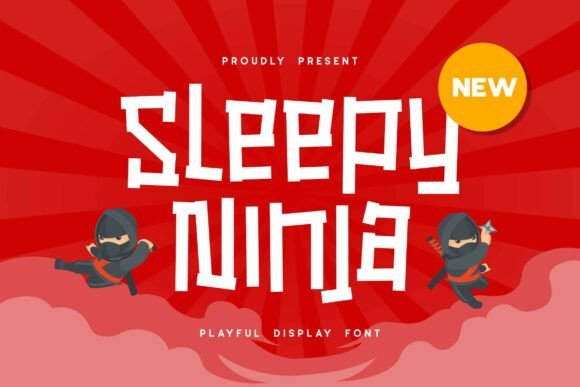
Before integrating a typeface into a production pipeline, it is essential to understand its structural properties. Sleepyninjaregular is defined by its blocky, geometric letterforms. Unlike organic or handwritten scripts, this font relies on rigid lines and sharp angles, mimicking the strokes of a calligraphy brush but rendered with a modern, digital edge. This structural integrity makes it highly legible at large sizes, which is a prerequisite for any "display" classification.
From a technical standpoint, the font’s design philosophy bridges the gap between playful aesthetics and aggressive branding. It captures the "vibrant spirit" of Japanese culture without resorting to clichés. For the professional user, this means Sleepyninjaregular functions as a tool for high-impact headers, logos, and titling. It is not designed for body text; its weight and width make long-form reading difficult. Recognizing this limitation is the first step in proper implementation. It acts as the visual hook, while a secondary, more neutral font (such as a clean sans-serif like Roboto or Open Sans) should handle the informational heavy lifting.
Strategic Implementation: Where Sleepyninjaregular Fits in Your Workflow
Typography selection is rarely the first step in a project, but it is a critical decision that informs the rest of the visual direction. When planning a new project—whether it is a branding refresh for a client, a product launch, or a personal creative endeavor—Sleepyninjaregular should be introduced during the "Concept and Mood Boarding" phase.
Phase 1: Mood Boarding and Asset Selection
When curating assets for a project that targets a youthful, energetic, or culturally inspired demographic, Sleepyninjaregular serves as an anchor point. If you are designing for a ramen shop, a gaming channel, or a streetwear brand, this font immediately sets the tone. It signals to stakeholders that the brand voice is bold and confident. During this phase, test the font against your primary color palette. Because the font has a strong personality, it pairs best with solid, flat colors rather than complex gradients, allowing the "ninja" aesthetic to shine through without visual clutter.
Phase 2: Prototyping and Layout
Once the concept is approved, move to the execution phase. Here, Sleepyninjaregular interacts with other design elements. Its geometric nature requires specific spacing considerations. Because the letterforms are blocky, kerning (the space between characters) often needs to be tightened manually to ensure the text reads as a single, cohesive unit rather than a series of isolated blocks.
In a typical layout workflow, you might use this font for the main hero text on a landing page or the central focal point of a product package. For example, if you are designing packaging for a "fun food product," the font can be used for the flavor name or the brand logo, while nutritional information and ingredients should be set in a standard, legible typeface. This contrast creates a visual hierarchy that guides the consumer’s eye from the exciting branding to the necessary details.
Phase 3: Application Across Media
The versatility of Sleepyninjaregular extends across various media, but it requires specific handling for each. In digital environments, such as website headers or social media graphics, the font renders well on high-resolution screens. However, for print media—such as menus or business cards—care must be taken with ink saturation. The bold, thick strokes of the font consume more ink than lighter typefaces. If you are working with a print shop, ensure that your file preparation accounts for potential ink bleed, particularly on uncoated paper stocks.
Practical Applications: From Branding to Digital Content
The utility of Sleepyninjaregular is best understood through specific use cases. Its design language speaks to modern, fast-paced industries.
Menu Design and Hospitality
For restaurant owners and hospitality designers, a menu is a storytelling device. A ramen shop or an izakaya benefits immensely from typography that evokes the streets of Tokyo. Sleepyninjaregular can be used to categorize sections of the menu (e.g., "Appetizers," "Sides," "Specials"). The font’s energy makes the menu feel vibrant and lively, encouraging customers to view the dining experience as an event rather than just a meal.
Gaming and Esports Branding
The video game industry relies heavily on typefaces that convey action and excitement. Sleepyninjaregular is an ideal candidate for game titles, clan logos, or streaming overlays. Its "stealthy" aesthetic aligns well with action, strategy, or RPG genres. When integrating this font into a video game UI, it is best used for static titles or splash screens, rather than dynamic in-game dialogue, to maintain readability during fast-paced gameplay.
Marketing and Social Media
For marketers and content creators, capturing attention in the first second is paramount. Sleepyninjaregular excels in thumbnail images, Instagram stories, and promotional banners. Its bold weight ensures that the message is readable even on small mobile screens. When creating a series of social media assets, using this font consistently for headers helps build brand recognition, creating a cohesive visual thread that followers can instantly identify.
Workflow Integration and Compatibility
Integrating a new typeface into an established workflow requires checking for technical compatibility. Sleepyninjaregular is typically available in standard formats (OTF, TTF, WOFF), making it compatible with major design software including Adobe Creative Suite (Photoshop, Illustrator, InDesign), Affinity Designer, and Figma.
Pairing Strategies
A critical aspect of using display fonts is pairing. Because Sleepyninjaregular is high-energy and visually dense, it requires a balancing partner. A common mistake is pairing it with another stylized or decorative font, which results in visual chaos. Instead, opt for a neutral, geometric sans-serif for body copy. This creates a "loud vs. quiet" dynamic that makes the display font pop without overwhelming the viewer.
File Organization and Licensing
For freelancers and agencies, organization is vital. When downloading Sleepyninjaregular, ensure the font files are saved in a centralized asset folder and cataloged by license type. Understanding the license is crucial for commercial implementation. Whether you are using it for a client project or a proprietary product, verify that the usage rights cover your specific application (e.g., print, digital, merchandise) to avoid legal friction later in the project lifecycle.
Quality Control and Long-Term Use
As with any design asset, quality control is the final step before release. When finalizing designs that utilize Sleepyninjaregular, conduct a "squint test." Blur your vision or step back from the screen to ensure the text still holds its shape and weight. Check for aliasing issues on lower-resolution screens, as the sharp angles of the font can sometimes create jagged edges (pixelation) if not properly optimized for web use.
For long-term brand consistency, create a style guide that specifies exactly how Sleepyninjaregular should be used. Define the minimum size for legibility, the exact color codes it should appear in, and the specific contexts (headlines only vs. pull quotes). By codifying these rules, you ensure that the "powerful Asian inspired aesthetic" remains consistent across all touchpoints, from the initial website design to future merchandise or packaging expansions.
Conclusion: The Ninja Advantage
Incorporating Sleepyninjaregular into your design toolkit is about more than just adding a new font file; it is about adopting a specific visual attitude. It allows creators to infuse their work with the excitement of manga and the precision of modern design. By understanding its technical properties, pairing it correctly, and applying it strategically within your workflow, you can use this typeface to create projects that are not only visually striking but also professionally executed. Whether you are launching a new brand or refreshing an existing one, Sleepyninjaregular provides the bold foundation needed to make a lasting impact.