Exploring the Distinctive Appeal of Features Font in Modern Design
In the dynamic world of typography, the selection of a typeface is a foundational decision that communicates far more than the words it shapes. It conveys tone, establishes brand identity, and dictates the viewer's initial emotional response. Among the vast library of display typefaces, a particular style has gained traction for its ability to merge clarity with a futuristic aesthetic: the Features Font family. This typeface is not merely a set of characters; it is a design tool engineered for impact, offering a cool and techno vibe that resonates with contemporary visual culture.
The Anatomy of a Techno Display Typeface
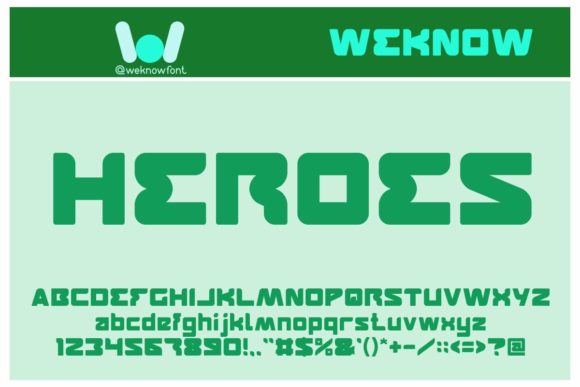
To understand the utility of Features Font, one must first analyze its structural composition. Unlike serif fonts that rely on traditional strokes and feet, or simple sans-serifs that prioritize neutrality, this font family leans into geometric precision. The letterforms are often constructed with clean lines, sharp angles, and consistent stroke widths. This creates a rhythm that feels mechanical yet highly refined.
The "cool" factor often associated with this typeface stems from its ability to evoke a sense of advanced technology and innovation. When a designer selects Features Font, they are often looking to bypass the warmth of handwritten scripts in favor of something more objective and authoritative. The spacing between characters (kerning) and the height of the lowercase letters (x-height) are typically optimized to ensure that even at a glance, the text remains legible while maintaining its stylistic edge. It is this balance of form and function that makes it a staple in modern design arsenals.
Strategic Applications in Visual Media
The versatility of Features Font allows it to shine across various media types, though it performs best where high visibility is required. Its design philosophy centers on grabbing attention without overwhelming the viewer, making it ideal for specific applications.
Print and Large Format Design
When applied to physical media such as posters and flyers, the structural integrity of Features Font becomes evident. Large format printing demands typefaces that do not pixelate or lose definition when scaled up. Because of its clean vector-like construction, this font remains crisp and stunning on a 40-foot banner just as it does on a standard A5 flyer. Event promoters, particularly in the music, tech, and automotive industries, frequently utilize this style to communicate energy and modernity. A concert poster featuring Features Font immediately signals a contemporary experience to the potential attendee.
Digital Interfaces and Web Design
In the digital realm, screen resolution and user interface (UI) constraints play a major role in font selection. Features Font excels in headers and hero sections of websites. Its techno aesthetic pairs well with dark mode interfaces, neon color palettes, and minimalist layouts. For web designers, using this font for key calls to action or navigation menus can guide the user's eye effectively. However, it is crucial to note that while it is excellent for display purposes, its use in long-form body text should be approached with caution to ensure readability across all devices.
The Psychology of Aesthetics: Why "Cool" Matters
Typography triggers psychological responses. The "cool and techno" classification of Features Font is not just a marketing descriptor; it is a psychological trigger. In consumer behavior, fonts that appear sleek and modern are often subconsciously associated with efficiency, forward-thinking, and high value.
For a business owner launching a new SaaS product or a tech startup, the branding must communicate competence instantly. Using Features Font in the logo or marketing collateral can help bridge the gap between the product's complexity and the user's desire for a seamless experience. Conversely, for creators and artists, this font style allows for the exploration of sci-fi themes, cyberpunk aesthetics, or abstract art without needing complex graphic overlays. The font itself carries the narrative weight.
Workflow Integration for Creators and Educators
Implementing a specialized typeface like Features Font requires a thoughtful workflow. For graphic designers and hobbyists, the process begins with understanding the font's licensing and file formats (such as OTF or TTF) to ensure compatibility with software like Adobe Creative Suite, Affinity Designer, or Canva.
Tips for Effective Implementation
- Hierarchy Establishment: Use Features Font exclusively for H1, H2, or pull quotes. Pair it with a neutral sans-serif for body text to create a clear visual hierarchy.
- Color Contrast: Given its techno nature, this font often pairs well with high-contrast color schemes. Consider white text on dark backgrounds or vibrant neon accents on grayscale canvases.
- Spacing Adjustments: Because display fonts can vary in default spacing, designers should manually adjust tracking (letter-spacing) when using Features Font in all-caps settings to ensure the text does not appear too cramped.
Educators creating materials for STEM (Science, Technology, Engineering, and Mathematics) subjects may also find value in this typeface. Presentations or handouts using Features Font can make technical content feel more accessible and engaging to students, breaking the monotony of standard academic fonts.
Comparative Analysis: Standing Out in a Crowded Market
The font market is saturated with options, ranging from classic serifs like Times New Roman to ubiquitous sans-serifs like Helvetica. Features Font occupies a specific niche that prevents it from being a direct competitor to these workhorses. Instead, it serves as a complementary asset.
Where a font like Helvetica strives to be invisible and let the content speak, Features Font strives to be seen. It is an expressive choice. In a comparative context, if a designer is working on a corporate legal document, Features Font would be inappropriate. However, if that same corporation is designing a booth for a technology expo, Features Font becomes the superior choice. It signals that the company is not just established, but also innovative and adaptable.
Future-Proofing Your Designs
Design trends are cyclical, yet the fascination with technology and the future remains constant. As we move further into an era defined by digital interaction, the demand for typefaces that reflect this reality will only grow. Features Font is well-positioned to remain relevant because it taps into the aesthetic of progress.
For researchers and professionals in data visualization, the clarity of Features Font makes it a strong candidate for titling charts, graphs, and infographics. It ensures that the data presented feels cutting-edge. Furthermore, as augmented reality (AR) and virtual reality (VR) interfaces become more common, the need for fonts that render clearly in 3D space will increase. The geometric stability of this font family suggests it will translate well into these emerging mediums.
Ultimately, the decision to use Features Font is a decision to prioritize a modern, engaging, and visually striking communication style. It offers endless possibilities for those willing to explore its geometric precision and futuristic charm. Whether for a fleeting social media graphic or a permanent architectural sign, it provides the tools necessary to make a lasting impression in a visually competitive world.