Embodying Ancient Mystique: The Artistic Power of the Bao Buns Font
In the vast digital landscape of typography, few typefaces manage to capture a specific cultural essence while maintaining a broad, artistic appeal. The Bao Buns Font is one such remarkable exception. It does not merely present letters on a screen; it offers a visual journey into the heart of East Asian calligraphy, reinterpreted through a lens of ancient texture and modern design sensibility. This display typeface is more than a tool for communication—it is a vessel of atmosphere, capable of transporting a viewer from a simple webpage to the misty courtyards of a historical temple or the quiet, refined interior of a traditional tea house.
The Distinctive Aesthetic: Where Calligraphy Meets Carved Stone
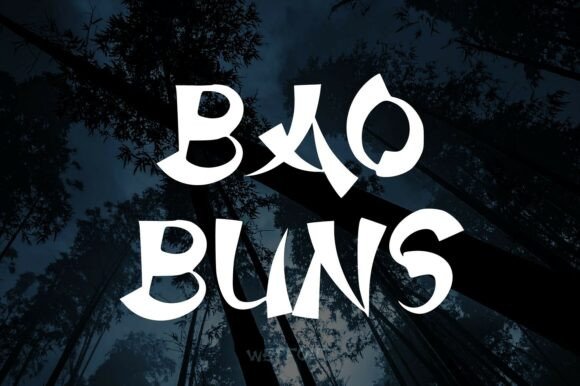
At its core, the Bao Buns Font is defined by its unique fusion of styles. It draws heavily from the fluid, expressive strokes of traditional Chinese or Japanese brush calligraphy. However, it diverges from pure replication by introducing a layer of intentional erosion and texture. The letterforms appear as if they have been hand-carved into wood or weathered stone over centuries. This gives the font a tangible, physical quality that is often missing in digital typefaces.
Imagine the strokes of a master calligrapher’s brush, but with the edges softened and roughened by time. Each character in the Bao Buns typeface possesses an organic flow, yet feels solid, ancient, and imbued with a story. It’s this duality—the elegance of the brush and the gravitas of an inscription—that makes it so compelling. The slightly eroded quality adds a layer of mystique and authenticity, suggesting a history that the viewer can almost feel. It’s perfect for projects that need to convey depth, tradition, and a touch of the enigmatic.
Practical Applications: Where Bao Buns Font Truly Shines
Choosing the right font is about matching visual tone to project intent. The Bao Buns Font excels in specific contexts where its cultural resonance and artistic depth can be fully appreciated. It is not a font for body text or corporate reports; its power lies in display and headline use, where it can set a powerful mood at a glance.
Branding and Identity
For businesses rooted in Eastern culture or philosophy, this font is an invaluable asset. Consider its use for:
- High-End Asian Restaurants: It instantly communicates authenticity and sophistication, elevating a brand beyond generic "Asian-inspired" aesthetics. Think of a logo for a fine-dining establishment specializing in Sichuan cuisine or a minimalist sushi bar.
- Tea Houses and Wellness Centers: The font’s serene yet profound character aligns perfectly with themes of mindfulness, tradition, and natural beauty. It suggests a space for quiet contemplation and refined taste.
- Luxury Products with an Eastern Influence: From artisanal sake labels to packaging for premium skincare lines inspired by ancient remedies, Bao Buns adds an immediate layer of perceived value and heritage.
Creative and Media Projects
Beyond commercial branding, the font is a storyteller’s tool. Its ability to evoke a specific time and place makes it ideal for:
- Film and Television: Imagine the title sequence for a historical epic set in feudal Japan, a fantasy series inspired by Asian mythology, or a documentary exploring the Silk Road. The Bao Buns Font sets the stage with authority and visual poetry.
- Book Covers and Editorial Design: For fantasy literature, historical fiction, or poetry collections with Eastern themes, this font on a cover promises a journey into a richly textured world. It’s equally effective for chapter headings in a beautifully designed book.
- Art Exhibitions and Cultural Events: Promotional materials for a gallery show featuring contemporary ink wash paintings, a cultural festival, or a theatrical performance can use this font to signal the event’s artistic and cultural significance.
Integrating Bao Buns into a Modern Design Workflow
Using a display font like Bao Buns effectively requires thoughtful implementation. Its strength is in its distinctiveness, which means it must be deployed with care to avoid overwhelming a design or clashing with other elements.
Pairing is key. This font demands a clean, simple companion for any supporting text. A sans-serif font with neutral characteristics often works best, allowing the unique details of Bao Buns to take center stage without creating visual noise. The contrast between the ancient, textured display font and a modern, clean body font can be very striking and effective.
Use it sparingly. As a rule of thumb for fonts with such strong personality, less is more. Use it for primary headlines, logos, or short, impactful quotes. Avoid setting long sentences or paragraphs in it, as the intricate details can reduce readability at smaller sizes. Its purpose is to capture attention and set a mood, not to deliver dense information.
Consider the context and audience. While the font is versatile within its niche, ensure it aligns with the project’s overall message. For a tech startup, it might feel incongruous. For a project celebrating cultural heritage or artistic tradition, it will feel perfectly at home. Always test the font in context to see if it enhances the narrative you wish to tell.
The Deeper Value: Beyond Aesthetics
What the Bao Buns Font ultimately offers is a shortcut to emotional and cultural connection. In a world saturated with sleek, minimalist sans-serifs and playful geometric typefaces, it provides a profound alternative. It allows designers to craft visuals that are not just seen but felt. The font carries a weight of history and artistry that can lend instant credibility and depth to a project.
Choosing to use a typeface like this is a design decision that speaks to a desire for authenticity and storytelling. It’s for projects that aim to be more than just visually appealing—they seek to be evocative. Whether used in a digital ad, on a physical poster, or as part of a brand’s core identity, the Bao Buns Font helps create a world that viewers will want to step into, inviting them to appreciate a blend of timeless beauty and sophisticated design. It is a testament to how typography, when chosen with intent, can be a powerful bridge between the past and the present.