Chatoya Font: Unveiling the Elegant Serif That Redefines Beauty in Design
In the vast universe of typography, finding a font that balances historical reverence with modern sensibility is a rare discovery. Enter Chatoya, an elegant serif display font that has been making waves in the design community for its unique ability to express warmth, beauty, and refined character. Whether you are a graphic designer, a branding specialist, or simply a lover of beautiful text, understanding the nuances of Chatoya can significantly elevate your creative projects. This article explores the anatomy, purpose, and practical application of this stunning typeface, offering a comprehensive guide for beginners and experts alike.
The Essence of Chatoya: More Than Just a Typeface
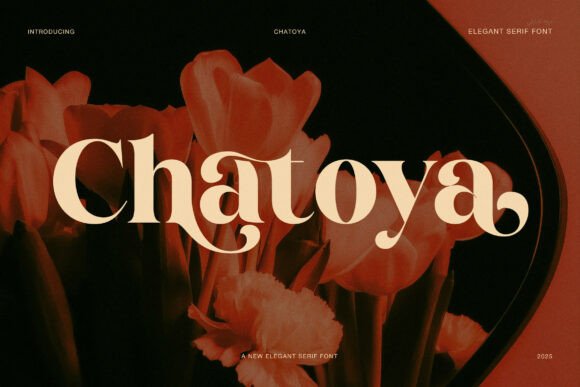
At its core, Chatoya is not merely a collection of letters and symbols; it is a visual narrative. Created to evoke feelings of romance and professionalism simultaneously, this font bridges the gap between the classic floral aesthetics of the past and the clean demands of contemporary editorial design. When you look at the Chatoya font, you are seeing a design philosophy that prioritizes grace. It is a display font, meaning it is specifically engineered to be used at larger sizes—think headlines, logos, and posters—where its intricate details can truly shine.
The inspiration behind Chatoya draws heavily from timeless design principles. In the history of typography, serif fonts have always been associated with authority, tradition, and readability. Chatoya takes these associations and softens them. By infusing the structure with organic curves and a gentle rhythm, the font avoids the stiffness often found in traditional corporate typefaces. Instead, it offers a "graceful presence" that feels welcoming and warm, making it an ideal choice for projects that require a human touch.
Anatomy of Elegance: Deconstructing the Design
To truly appreciate Chatoya, one must look closely at its construction. The design of a font is often compared to architecture; every line, curve, and weight serves a structural and aesthetic purpose. Chatoya is characterized by several distinct features:
- Smooth Strokes: The lines that form the letters are fluid rather than rigid. This gives the text a handwritten quality, even though it is a precise digital creation.
- Balanced Contrast: In typography, "contrast" refers to the difference between the thick and thin parts of a letter. Chatoya utilizes a balanced contrast, meaning the transition from a thick stem to a thin hairline is gradual and pleasing to the eye.
- Confident Serif Construction: The serifs (the small feet at the bottom of letters) are present and grounding, but they do not dominate. They provide stability to the letterforms, ensuring that while the font looks romantic, it still feels professional and anchored.
Because of this thoughtful design, Chatoya performs beautifully in large text. However, unlike many decorative display fonts, it maintains a level of clarity that keeps it readable. The structure helps guide the reader’s eye naturally across the page, making every composition feel calm and intentional.
Practical Applications: Where Does Chatoya Fit?
Understanding a font’s aesthetic is one thing; knowing how to use it effectively is another. Chatoya is versatile, but like all design tools, it has specific environments where it excels. Its blend of romance and professionalism makes it suitable for a wide range of modern contexts.
1. Branding and Logo Design
For businesses that want to project an image of luxury, care, and quality, Chatoya is an exceptional choice. Consider industries such as high-end cosmetics, wedding planning, boutique fashion, or artisanal goods. A logo set in Chatoya immediately tells the customer that the brand values aesthetics and attention to detail. The font’s warmth helps build an emotional connection with the audience, which is a crucial component of modern branding strategy.
2. Editorial and Publishing
The font’s roots in editorial design make it perfect for magazines, book covers, and blog headers. In the world of publishing, the headline is the hook. Chatoya provides a sophisticated hook that draws readers in without shouting at them. Its "timeless" quality ensures that the design does not look dated after a single season, which is vital for long-term publications.
3. Wedding Stationery and Event Invitations
Perhaps one of the most natural fits for Chatoya is in the realm of personal celebrations. The "classic floral aesthetics" mentioned in its description make it a prime candidate for wedding invitations, save-the-dates, and event programs. It mimics the elegance of calligraphy but offers the consistency and legibility required for printed materials.
4. Web Design and Digital Media
In the digital age, typography plays a massive role in User Experience (UX). While Chatoya is a display font (and thus not recommended for long paragraphs of body text on screens), it is incredibly effective for website hero sections, landing page headers, and digital advertisements. Its ability to guide the eye helps in creating a clear visual hierarchy, allowing users to navigate a website intuitively.
Clarifying Common Misunderstandings
When working with elegant serif fonts like Chatoya, there are common pitfalls and misconceptions that designers and content creators should be aware of.
Misconception: Elegant Fonts Are Hard to Read
There is a belief that decorative or elegant fonts sacrifice readability for style. While this is true for many script fonts, Chatoya is designed with readability in mind. The "smooth strokes and balanced contrast" ensure that letters are distinct from one another. However, context is key. Chatoya is highly readable in headlines, but if you were to use it for 12-point body text on a website, it would likely become difficult to scan. Always use display fonts for their intended purpose: display.
Misconception: Serif Fonts Are Outdated
With the rise of minimalism and sans-serif fonts (like Helvetica or Arial), some assume serif fonts belong to the past. This is a misunderstanding of design trends. We are currently seeing a massive resurgence of serifs in modern design, often referred to as "New Wave Typography." Chatoya fits perfectly into this trend. It respects the history of the serif while updating it for a modern, digital-first audience. It proves that serifs can be just as fresh and relevant as their sans-serif counterparts.
The Technical Edge: Why Structure Matters
From a technical standpoint, the "refined character" of Chatoya is not just artistic fluff—it is functional. The structure of the font helps in creating a visual hierarchy. Visual hierarchy is the arrangement of elements in a way that implies importance. Because Chatoya has a strong, confident presence, it naturally sits at the top of this hierarchy.
Furthermore, the font’s construction helps "guide the eye." This is achieved through consistent spacing (kerning) and the flow of the curves. When a reader looks at a block of text set in Chatoya, their eye moves smoothly from one letter to the next without stumbling. This creates a reading experience that feels "calm and intentional," reducing cognitive load and increasing the retention of the message being conveyed.
Integrating Chatoya into Your Workflow
For those looking to incorporate Chatoya into their design toolkit, here are a few practical tips:
- Pairing Fonts: Chatoya pairs beautifully with clean, geometric sans-serif fonts. Using a simple sans-serif for body text allows Chatoya to dominate the headlines without creating visual clutter. This contrast creates a dynamic and professional look.
- Color and Background: Given its floral and warm inspiration, Chatoya works exceptionally well with earth tones, pastels, and muted color palettes. However, it also looks striking against dark, moody backgrounds for a more dramatic, editorial effect.
- Letter Spacing: Because Chatoya is a display font with distinct curves, it often benefits from slightly increased letter spacing (tracking) in all-caps settings. This allows the unique shapes of the letters to breathe and be fully appreciated.
Conclusion: The Timeless Appeal of Chatoya
In a world saturated with fleeting trends and disposable content, the Chatoya font offers a refreshing return to craftsmanship. It is a typeface that understands the past but speaks the language of the present. By combining soft curves with confident construction, it delivers a message of warmth, beauty, and professionalism.
Whether you are designing a luxury brand identity, curating a wedding aesthetic, or crafting a compelling editorial spread, Chatoya provides the tools to do so with grace. It reminds us that typography is not just about legibility; it is about emotion, tone, and the subtle art of visual communication. As you move forward in your creative endeavors, consider how the intentional, calm presence of Chatoya can transform your work from merely functional to truly beautiful.