Evaluating Inkspire Font: A Practical Look at Its Playful Design and Ideal Applications
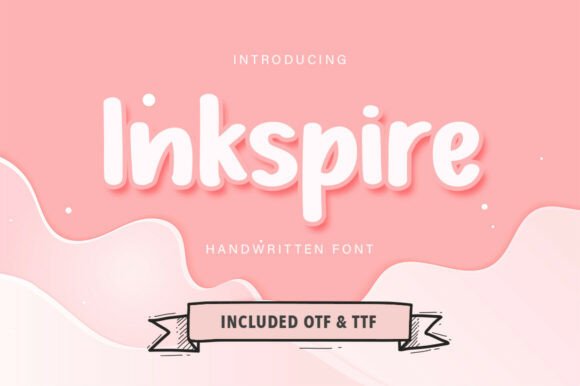
When selecting a typeface for a project that demands energy and approachability, the decision often comes down to balancing personality with practicality. The Inkspire Font presents itself as a distinct option in the handwritten category, characterized by its thick, rounded letterforms and a soft, "pillowy" aesthetic. For designers and creators exploring typefaces that communicate positivity and youthful energy, understanding where Inkspire fits within the broader landscape of casual and display fonts is essential. This analysis provides a balanced look at its characteristics, strengths, and the scenarios where it is most effective.
Defining the Inkspire Typeface: More Than Just a Handwritten Font
At its core, the Inkspire Font is a display-oriented, handwritten typeface. However, its construction sets it apart from many standard script or casual fonts. The defining features are its thick strokes and consistently rounded terminals. This creates a visual effect that is both bold and soft, avoiding the sharp edges or uneven baselines that can sometimes hinder legibility in other handwritten styles. The overall impression is one of warmth and accessibility, making it feel less like a personal scrawl and more like a crafted, friendly symbol system.
This design philosophy positions the Inkspire typeface as a tool for specific communication goals. It is not intended for long body text but excels in contexts where immediate emotional connection and clear, high-impact messaging are priorities. Its "bubbly" quality makes it inherently playful, which can be a powerful asset or a limiting factor depending on the project's requirements.
Comparing Inkspire to Alternative Styles and Approaches
When evaluating the Inkspire Font, it is helpful to consider it against other common typeface categories. This comparison highlights its unique tradeoffs.
Against Traditional Handwritten Scripts
Many handwritten fonts mimic cursive or flowing penmanship, which can sometimes sacrifice clarity for style. The Inkspire typeface, with its bold, blocky, and rounded letters, prioritizes readability at a glance. Compared to a delicate cursive script, Inkspire is far more effective for headlines, logos, and signage where quick comprehension is critical. The tradeoff is that it loses the elegant, personal, or nostalgic feel that cursive scripts often convey.
Against Geometric Sans-Serifs
Modern, geometric sans-serif fonts are known for their clean, neutral, and professional appearance. While extremely versatile, they often lack inherent personality. The Inkspire font injects a strong dose of character and fun, making it a superior choice for projects targeting children, families, or brands that want to project a lighthearted, approachable identity. However, for contexts requiring utmost seriousness, neutrality, or technical precision, a sans-serif would be the more appropriate tool.
Against Other "Fun" Display Fonts
The market includes many fonts designed to be playful, from retro bubbly styles to cartoonish outlines. Inkspire's distinction lies in its softness and positive energy. It feels less "retro" and more contemporary and friendly. Compared to a highly stylized novelty font that might be themed around a specific object (like animals or candy), Inkspire is more versatile. It can adapt to various themes without overpowering the accompanying design elements, though it will always maintain its core cheerful vibe.
Strengths and Practical Benefits of the Inkspire Font
The design choices behind the Inkspire typeface translate into several practical advantages for specific use cases.
- Enhanced Legibility at Scale: The bold weight and simple, rounded shapes ensure that text remains clear even when used for large headlines, banners, or signage. This is a critical strength over many thinner or more intricate handwritten fonts.
- Instant Emotional Tone: The font immediately sets a mood. For projects like children's educational apps, toy branding, or creative workshop materials, the Inkspire font communicates the intended playful and safe atmosphere without needing additional explanation.
- Strong Visual Presence: Its thick letterforms give it a powerful presence on the page or screen. This makes it effective for social media graphics, product packaging, and flyers where competing for visual attention is necessary.
- Compatibility with Vibrant Design Elements: As noted, it pairs exceptionally well with bright colors, simple illustrations, and dynamic layouts. It acts as a cohesive element that ties together other fun design components.
Limitations and Situations to Consider Alternatives
No typeface is universal, and the Inkspire font has clear boundaries where its strengths become limitations.
- Not for Extended Reading: Its display nature makes it unsuitable for paragraphs, articles, or any long-form text. The very features that make it impactful in headlines would cause significant eye strain in body copy.
- Limited Formal Application: For corporate communications, legal documents, academic papers, or luxury branding that relies on understated elegance, the playful character of Inkspire would be inappropriate and undermine the desired tone of authority or sophistication.
- Potential for Visual Fatigue: Overusing a highly distinctive font can lead to a dated or overwhelming look. If a brand's entire visual identity is built solely around the Inkspire typeface, it may lack the flexibility needed for evolving contexts or more serious sub-campaigns.
- Contextual Misalignment: Using it for a topic that is inherently serious, even if targeted at a younger audience (e.g., children's health information), might require a more neutral and clear typeface to ensure the message's gravity is not diminished.
Decision Framework: When is Inkspire the Right Choice?
Choosing the Inkspire Font should be a deliberate decision based on project goals and audience analysis. Ask the following questions:
- What is the primary communication goal? If the answer is to inspire, delight, or engage in a fun, energetic way, Inkspire is a strong candidate. If the goal is to inform, persuade formally, or convey luxury, look elsewhere.
- Who is the target audience? It is exceptionally well-suited for children, parents, educators, and brands in the toy, game, or family entertainment sectors. It may also work for youth-oriented products or casual community events.
- How will it be used? Plan its application for headlines, logos, short calls-to-action, and decorative elements. Ensure you have a complementary, highly legible font for any necessary supporting text.
- What is the broader visual ecosystem? Evaluate your color palette, imagery, and overall design style. Inkspire thrives in environments with high-contrast colors, rounded shapes, and playful illustrations. In a minimalist or monochrome scheme, it may feel out of place.
Conclusion: A Tool for Specific Creative Needs
The Inkspire Font is a purposeful design tool. Its value lies in its specific ability to convey a bubbly, positive, and youthful energy with excellent legibility for display use. It is not a workhorse font for all situations, but rather a specialist that excels in its niche. For designers and creators working on projects that aim to connect with a lighthearted audience through vibrant and friendly visuals, the Inkspire typeface offers a reliable and effective solution. By understanding its distinct character and appropriate applications, you can make an informed decision about whether it aligns with your creative vision and communication objectives.